
Florence, a city bathed in the hues of the Renaissance, stands as a beacon of art, culture, and history in the heart of Italy. As you wander through its venerable streets, each corner and cobblestone tells stories of a past filled with artistic genius and groundbreaking discoveries. Imagine the echoes of horse-drawn carriages and whispers of the Medici family plotting politics that would shape the modern world.
The city’s skyline is a canvas of red rooftops stretching towards the River Arno, punctuated by the majestic dome of the Duomo that rises proudly as a masterpiece of engineering and aesthetic grandeur. Here, art is not confined to the galleries but spills out onto the streets, in public sculptures and in the architectural wonders that frame every view.
For retirees seeking to rediscover the world through the lens of art and sophistication, Florence offers a gentler pace. It’s a city where you can savor a slow espresso in the morning sun at a streetside café, marvel at original works by master artists in the afternoon, and dine under the stars in quaint bistros. Florence is not merely a city to visit but a grand living museum to experience, a place where every sight and sound tells a vivid story awaiting to be absorbed and remembered.
Museums and Galleries in Florence: A Senior’s Guide
Florence is a treasure chest of art and culture, hosting some of the world’s most famous museums and galleries. Here is a guide to the best of them, tailored for seniors with considerations for accessibility and timing.
1. The Uffizi Gallery
The Uffizi is one of the most renowned art museums in the world, housing works by titans such as Botticelli, Michelangelo, and Leonardo da Vinci. For a more comfortable visit:
- Accessibility: The museum is fully accessible with elevators and restrooms adapted for wheelchair users.
- Best time to visit: Booking a morning slot on a weekday can help you avoid the crowds, especially just after opening at 8:15 AM.
2. The Accademia Gallery
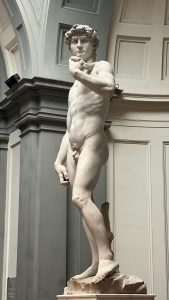
Famous for Michelangelo’s David, the Accademia Gallery offers a quieter, more contemplative atmosphere. It is ideal for those who wish to take their time appreciating each piece.
- Accessibility: The gallery is wheelchair accessible, and wheelchairs can be reserved in advance.
- Best time to visit: Late afternoons or around lunchtime (noon to 2 PM) tend to be less busy.
3. The Bargello National Museum
This less frequented museum is a gem, focusing on sculpture, including works from Donatello and Michelangelo. The serene courtyard is perfect for pauses, reflecting amidst historic beauty.
- Accessibility: Major areas are accessible, though some zones might require assistance due to uneven flooring.
- Best time to visit: Mid-morning or early afternoon usually sees fewer visitors, providing a peaceful viewing experience.
4. Palazzo Pitti and Boboli Gardens
Once the residence of the Medici, this grand palace together with its expansive gardens offers a splendid walk through art, history, and nature.
- Accessibility: The palazzo is accessible, but the gardens may have some challenging paths. Renting a mobility scooter is a good option.
- Best time to visit: Early morning or late afternoon is best, as the light beautifully enhances the art and nature.
Each of these institutions does not merely showcase art; they invite you into the very soul of the Renaissance. Enjoy at your own pace, with ample times for rests and reflection, and let the grandeur of Florence’s art immerse you completely.